
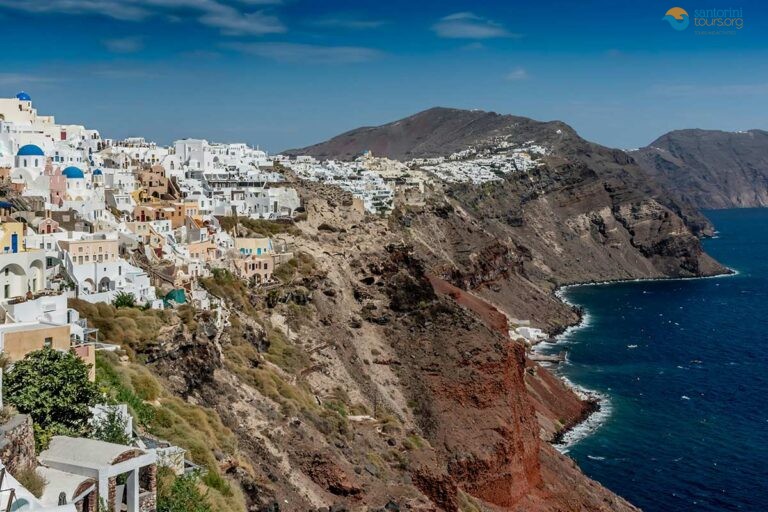
Authentic Greece tours led by local experts. Island-hopping, ancient sites, and immersive cultural experiences designed for travelers seeking genuine connections beyond the tourist trail.
Greece isn’t just a place to visit, it’s a feeling. Think of the warm Aegean breeze on a ferry deck and fresh olive oil on crusty bread. Think of the quiet awe of standing where Socrates once taught. We know this because we’ve lived it, season after season, island after island. For more ideas, explore Greece tours and Tours In Greece.
Seeing Greece on your own and seeing it with someone who truly knows it are two very different trips. That is why we built My Greece Tours.
Yannis Divramis, a local Greek born and raised on Milos and Santorini, founded it. Our mission is simple: to give you an authentic, immersive Greek journey that no guidebook or algorithm can copy.
Maybe you love history and want to see the Acropolis. Maybe you crave Cretan food, or you dream of hopping around the Cyclades. We’ve designed every tour to go deeper than the surface. In this text, we’ll show why travelers in 2026 choose guided Greece tours, and why My Greece Tours stands apart.


What Makes a Guided Greece Tour Worth It
Let’s be honest, you can book flights to Athens, open Google Maps, and wing it. Plenty of people do. But a guided Greece tour offers something very different. It turns a visit into a story.
When you travel with a knowledgeable guide, every ancient ruin has a story. Every narrow alley in Plaka has a reason you’re walking down it. Every meal is chosen with care, not just because it is near your hotel.
That extra layer of meaning is hard to find on your own, especially in a country with so much history. Guided tours also solve a practical problem most independent travelers underestimate: planning.
Greece is a big country of mainland mountains, scattered islands, and ferry schedules that change with the seasons. Coordinating transfers between Mykonos and Crete while squeezing in Meteora? That’s a full-time planning job, and My Greece Tours can take it off your plate.
With a guided tour, you trade spreadsheets for spontaneity. The routes are planned well, the hotels are checked, and your energy goes where it should: into soaking up the experience.
You also meet fellow travelers from around the world. Solo travel rarely gives you that: a shared journey with people who become friends by the end of it.
Expert Local Guides Who Bring History to Life
This is where we don’t just talk the talk, we walk the walk. At My Greece Tours, our guides don’t read from scripts.
Yannis himself visits Athens every month and often explores sites like the Acropolis, Meteora, Pelion, and Patmos. He has also spent every summer island-hopping through places like Lefkada, Corfu, Knossos, Mystras, and Skiathos.
That firsthand knowledge makes all the difference. Standing in front of the Parthenon is impressive on its own. But imagine a local guide explaining the political drama behind its building, and the clever engineering of its columns. Add the myths carved into its marble friezes, and the stones start talking.
The same goes for the Palace of Knossos in Crete. Most visitors see the rebuilt walls and snap photos. Our guides walk you through the world of the Minoans, their trade routes, their rituals, and the legend of the Minotaur. Suddenly you’re not just looking at ruins, you’re stepping into a civilization.
Local guides also know the small stuff. They know which taverna the locals really eat at. They know which viewpoint has the best sunset, and which path avoids the crowds in peak season. No guidebook can match that insider knowledge, and it’s part of every My Greece Tours trip.


Immersive Cultural Experiences Beyond the Tourist Trail
Greece’s most popular landmarks deserve their fame. But the real magic often lives in the places most tourists walk right past.
We design our tours to include those hidden layers. Think of the cobblestone streets of Plaka, where artisans still work by hand. Think of the Heraklion markets, where vendors shout over stacks of dried herbs and honey jars.
Add the Changing of the Guards ceremony at Syntagma Square, which most visitors only catch by accident. These aren’t add-ons. They’re the heartbeat of the experience.
Our idea is simple: if you wanted a checklist trip, you’d use a travel app. When you choose My Greece Tours, you’re choosing real contact with Greek life as it’s actually lived.
Exploring Ancient Sites With Context and Depth
Anyone can enter the Acropolis Museum. But understanding why the Caryatids stand where they do takes more. So does knowing what the frieze fragments reveal about Athenian democracy. That needs the context only a knowledgeable guide provides.
We take travelers through Athens’ ancient sites with layered storytelling. At the Panathenaic Stadium, we don’t just say that the first modern Olympics happened there. We connect it to the ancient games and to the role of sport in Greek society. Then we show how its revival shaped the modern Olympic movement.
On islands like Delos, we explore sacred ruins that most island-hoppers skip entirely. Delos was the mythical birthplace of Apollo, and its archaeological site is one of the most important in the Mediterranean.
With My Greece Tours guides, every column and mosaic floor becomes a chapter in a larger story. It is a story of Minoan myths, trade, and ancient religious practice.



Tasting Greece Through Local Food and Traditions
We’ll say it plainly: you haven’t really been to Greece until you’ve eaten like a Greek. And we don’t mean moussaka at a tourist-trap restaurant near the port.
My Greece Tours weaves food into the heart of every trip. In Crete, that means tasting local products like graviera cheese, wild herbs, and raki distilled in family-owned places.
In the Peloponnese, it’s fresh seafood pulled from the Messenian Gulf that morning. In Athens, it’s a group dinner at a neighborhood taverna, where the menu changes with what the market offered that day.
Mediterranean food is more than flavor, it’s tradition. Picture a long table shared with fellow travelers, plates of grilled octopus and village salads, and a toast with local wine. These moments become some of the strongest memories people carry home. We make sure every tour includes them.
Seamless Island-Hopping Without the Stress
Island-hopping is the dream, right? Santorini one day, Mykonos the next, maybe Crete after that. The reality can be a headache if you manage it yourself. Ferry schedules change with the seasons, and some routes only run on certain days.
Booking the right connections between islands takes local knowledge that most travel websites simply don’t have. This is one of the biggest reasons travelers choose My Greece Tours. We handle all of it: ferry bookings, port transfers, hotel check-ins, and timing. You just show up and enjoy the ride.
Our multi-day island-hopping trips are built for flow, not frantic rushing. A 10-day hopper might take you from Athens to Milos, then on to Santorini, Crete, and beyond. Yannis grew up on Milos, so expect some personal favorite spots.
Each stop is paced so you can explore, relax, and actually be on the island. You are not stressing about the next departure.
We’ve spent years perfecting these routes. Every summer, we’re out there ourselves, visiting Skiathos, Corfu, Lefkada, and dozens of other islands. We refine the timing, test new hotels, and look for experiences worth adding.
That hands-on approach means our island-hopping tours aren’t designed from a desk. They’re designed from a deck.



Personalized Itineraries for Every Type of Traveler
Not every traveler wants the same Greece. Some come for archaeology and want hours at Delphi and a close look at Mycenaean history. Others come for the beaches, the sunsets, and a slower pace. And then there are foodies who’d happily spend a whole day at a Cretan olive oil farm.
We get it. That’s why personal choice is central to how My Greece Tours builds each trip.
At My Greece Tours, we offer flexible itineraries that can be tailored to your interests, fitness level, and travel style. Want to swap a museum visit for a cooking class? Done.
Prefer a boutique hotel over a larger resort? We’ll make it happen. Want to add an optional excursion to Mystras or Laconia? Just say the word.
We also cater to different kinds of groups. Couples on a honeymoon have different needs than a family with three generations or a group of college friends. Our team works with you before the trip to shape an experience that actually fits. It is not a one-size-fits-all package with a “customizable” label.
This flexibility, paired with our local know-how, means your Greece trip feels like yours. We handle all the details behind the scenes.
Book tours now:
- Rhodes Private Tours: Explore Rhodes Destinations & Attractions | Rhodes Greece Excursions & Tours
- Samos Dream Tours: Explore Samos Tours, Excursions & Samos Greece Experiences
- Santorini Greece Travel Guide: Best Things To Do in Santorini
- Serifos
- Sifnos Travel Guide: Your Ultimate Sifnos Guide to Visit Sifnos Island in Sifnos Greece
- Skiathos Travel Guide
- Skopelos
- Spetses
- Symi Tours And Private Boat Trips: The Complete Island Travel Guide
Small Groups, Big Connections
There’s a reason we keep our groups small, and it’s not just about planning. It’s about the quality of the experience.
In a group of 40 people, you’re a number. In a small group, you’re a person. You can ask your guide follow-up questions, and you can linger at the site that moves you most. You don’t spend half your vacation waiting for the bus to fill up.
But the connections go beyond the itinerary. Some of our favorite feedback comes from travelers who didn’t just fall in love with Greece, they made lifelong friends.
One example is an Australian couple bonding with a Spanish family over dinner in Nafplio. Another is a solo traveler from Canada finding a travel buddy for their next adventure. These aren’t rare. They happen on nearly every tour.
Small groups also create a “home away from home” feeling. Shared meals become livelier, and stories flow more easily. By the second or third day, it stops feeling like a tour group. It starts feeling like a group of friends exploring together.
Large operators simply can’t copy that social side. It’s a core part of what makes My Greece Tours trips memorable.
How Hassle-Free Booking Transforms Your Trip
Let’s talk about the part nobody finds glamorous but everyone appreciates: the planning. A multi-stop trip through Greece means coordinating hotels, ferries, airport transfers, entrance tickets, and breakfasts.
If anything goes sideways, you also need real-time support. Managing all of that yourself can eat into the vacation time you’re trying to enjoy.
With My Greece Tours, we handle the whole chain. Hotels are chosen and checked in advance. Breakfasts are included, and transfers are timed to the minute.
If a ferry is late or a plan must change, our team is there around the clock. You don’t have to sort it out yourself.
We also believe in clear pricing. Our tours are competitively priced, and we work with trusted booking partners to make sure you get real value. We don’t use inflated rates dressed up as “premium” deals. There are no hidden fees and no surprise charges at the end of the trip.
The result? You spend your mental energy deciding between a swim at Kleftiko beach or an extra hour at the vineyard. You’re not refreshing a ferry booking page.
That shift, from planning mode to enjoyment mode, is one of the most underrated benefits of a guided tour. Once you try it with My Greece Tours, you won’t want to go back.
Conclusion
Greece rewards those who go deeper. Beyond the postcard views and the bucket-list checkmarks, there’s a country rich with stories, flavors, and connections waiting to be found. But only if you know where to look.
That’s what we offer at My Greece Tours. It grew from a genuine love of this country and was shaped by decades of local experience. It is built on the belief that travel should be personal, immersive, and effortless.
Maybe you’re drawn to ancient ruins, island sunsets, or a long table of shared Cretan dishes. Whatever you love, My Greece Tours is here to make sure your trip is everything you imagined, and a few things you didn’t expect.
Ready to see Greece the way it was meant to be seen? We’d love to show you.
Key Takeaways
- My Greece Tours delivers authentic, immersive experiences guided by local experts like founder Yannis Divramis, transforming a simple visit into a meaningful story with historical context and cultural depth.
- Guided Greece tours solve logistical challenges by handling ferry bookings, hotel coordination, and transfers, freeing travelers to focus on experiences rather than spreadsheets and planning headaches.
- Small group sizes foster genuine connections—both with guides who share insider knowledge and fellow travelers who often become lifelong friends, creating a ‘home away from home’ atmosphere.
- Personalized itineraries allow you to customize your Greece tour around your interests, whether that’s archaeology at Delphi, beaches, cooking classes, or food experiences in Crete.
- Island-hopping stress disappears when expert guides manage multi-day routes through islands like Milos, Santorini, and Crete, tested and refined seasonally for optimal flow and pacing.
- Experiencing Greece with a knowledgeable tour operator provides access to hidden cultural layers—local tavernas, artisan streets, and lesser-known sacred sites—that independent travelers typically miss.
Frequently Asked Questions About My Greece Tours
What makes a guided Greece tour better than traveling independently?
Guided Greece tours turn visits into stories, with expert context, smooth planning, and carefully chosen experiences. Local guides bring ancient sites like the Acropolis and Knossos to life. They also handle ferry schedules, hotels, and transfers, so you can focus on enjoying Greece instead of planning it.
Why does My Greece Tours stand apart from other Greece tour operators?
My Greece Tours was founded by Yannis Divramis, a native Greek born and raised on Milos and Santorini. He visits Athens monthly and explores places like Meteora, Patmos, and many islands every summer. That means the tours come from lived experience, not a desk.
How do local guides enhance the Greece tour experience?
Guides at My Greece Tours share deep stories, insider tips on hidden tavernas and viewpoints, and context that guidebooks can’t match. They explain the engineering of the Parthenon, Minoan trade routes at Knossos, and real Greek life beyond the tourist spots.
Is island-hopping in Greece stressful to organize independently?
Yes, it can be. Seasonal ferry schedules, route availability, and port transfers make planning complex. My Greece Tours handles all bookings, transfers, and timing. That lets 10-day hoppers go from Athens to Milos, Santorini, and Crete without stress or rushed planning.
Can I customize my itinerary with My Greece Tours?
Absolutely. My Greece Tours tailors itineraries to your interests. You can swap museum visits for cooking classes, choose boutique hotels, or add trips to Mystras or Laconia. Personal plans work for history fans, foodies, beach lovers, and families alike.
What role does food play in My Greece Tours experiences?
At My Greece Tours, food is a big part of the trip’s culture. Tours include Cretan graviera cheese, fresh Messenian Gulf seafood, and neighborhood tavernas with market-driven menus. They also include shared long-table dinners with fellow travelers. Meals become memorable traditions that celebrate Mediterranean cuisine.
How does philoxenia shape a trip with My Greece Tours?
Philoxenia means “love of the stranger,” and it is the heart of Greek hospitality. It is one of the first things you will notice on a trip with My Greece Tours. You will meet it in cafes, homes and village squares.
What philoxenia looks like in daily life
The word comes from two Greek roots. “Philos” means friend, and “xenos” means stranger or guest. In practice, a guest is treated well before anyone asks who they are.
A shopkeeper may offer you a small sweet. A neighbor may walk you to your street instead of just pointing. Travelers with My Greece Tours often say this warmth is what they remember most.
Small gestures you may receive
Expect treats you did not order. A glass of raki, a plate of fruit or a small dessert may arrive at the end of a meal. Locals call this a “kerasma,” which means a treat from the host.
Accept with a smile and say “efharisto,” which means thank you. Refusing again and again can feel rude, so try at least a small taste. A kind word in return is always welcome.
How to be a good guest in return
Hospitality goes both ways. If someone invites you home, bring a small gift such as sweets, flowers or a bottle of wine. Watch what the host does about shoes, and follow their lead.
This guide to polite travel in Greece covers more small rules. For a wider view, see these tips on how to experience local Greek traditions.
An old idea with ancient roots
In ancient Greece, Zeus Xenios was the protector of guests and travelers. Hosts had a duty to offer food and shelter to strangers. The Odyssey shows how seriously people took this rule.
That old idea lives on in modern habits, and it is the reason small places can feel so welcoming. Read about traditional Greek villages to visit before you plan your trip with My Greece Tours.
Which places give authentic cultural experiences with My Greece Tours?
The most authentic places are the ones where daily life still runs on old customs. Most are a short trip from Athens by road or ferry. Use this list to shape a route with My Greece Tours.
Cities where daily life is the show
Big cities can feel busy, but they keep strong habits of coffee, food and music. Spend time in the neighborhoods, not only at the famous sites.
- Athens: old neighborhood cafes, the central food market and music taverns where rebetiko is still played.
- Thessaloniki: a city of cafes, bakeries and small meze bars, with a famous love of good food.
- Syros: the island capital Ermoupoli, with its grand square, its old theater and deep roots in rebetiko music.
Islands where customs stay strong
Islands keep their rhythm longer than cities do. Village feasts, family kitchens and local music are still part of normal life. A mix of one city and one island works well on a trip with My Greece Tours.
- Crete: village hospitality, raki after dinner, and the lyra music that drives the lively pentozali dance.
- Naxos: mountain villages such as Apeiranthos and Halki, with local cheese, potatoes and a slow pace.
- Ikaria: famous for late-night summer village feasts called panigyria, with dancing until the early morning.
- Corfu: well known for Easter, with brass bands and the pot-throwing custom on Holy Saturday.
- Kythira: a quiet island of stone villages, with a Venetian castle and strong ties to Greeks abroad.
Mountains, monasteries and sacred places
Faith and landscape are linked in Greece. These places show how, if you visit with respect and the right clothes.
- Meteora: monasteries built on tall rock pillars, where monks and nuns still live and pray.
- Delphi: the ancient sanctuary of Apollo, where people once came to ask the oracle for advice.
- Pelion: stone villages, old cobbled paths, apple orchards and a long habit of making fruit preserves.
- Amorgos: the Chozoviotissa monastery, clinging to a sea cliff, where visitors are often offered a small treat.
No list can cover everything. On a short trip, choose no more than three bases, because each move costs half a day. Ask My Greece Tours which places fit your dates and your pace.


How many days does an authentic trip with My Greece Tours need?
Five to seven days is enough to taste real Greek culture. Ten to fourteen days gives time for islands and slow villages. The right length depends on how much you want to move around.
Three to five days: a city and its customs
A short trip with My Greece Tours can focus on Athens and one day trip. You can enjoy coffee culture, a taverna dinner and a live music night. Keep the plan small, because jet lag and heat slow most people down.
This Athens itinerary for first-timers shows how to fill a few days without rushing.
Seven days: a city plus an island
A week lets you see Athens and one or two islands. That is enough to notice how life differs between a city and an island. The 7-day Greece itinerary is a useful model for pacing.
Leave one evening free. Some of the best moments happen when you sit in a square and watch the evening walk begin. Greeks call this walk the volta.
Ten to fourteen days: islands and villages
With two weeks, you can add Crete, the Cyclades or a mountain region such as Pelion. Longer trips let you stay two or three nights in one place, which is how you meet people. Moving every day turns culture into a checklist.
The season matters too. Easter, summer feasts and the autumn harvest all bring different traditions. Read about the best time to visit Greece for authentic experiences before you choose dates with My Greece Tours.
How to choose your length
Think about three things: your energy, your budget and the season. Summer heat makes long sightseeing days tiring, while spring and autumn are kinder. If you are unsure, pick the shorter plan and add a day later.
Whatever you choose, leave room for surprises. An unplanned invitation to a village feast is worth more than one more museum. A good trip with My Greece Tours keeps a little space for moments like that.
What is coffee culture like on a trip with My Greece Tours?
Coffee in Greece is a social habit, not a quick stop. People often sit for an hour over one cup and talk. Plan to do the same on your trip with My Greece Tours.
Greek coffee and the kafeneio
A small pot called a “briki” is used to make traditional Greek coffee. It is served in a small cup, with the fine grounds left at the bottom. Stop drinking before you reach the grounds.
You choose how sweet it is. “Sketos” is plain, “metrios” is medium and “glykos” is sweet. Order it at a “kafeneio,” the traditional coffee house, where older locals read the paper and play cards or backgammon.
Frappe, freddo and the cafe scene
Many younger Greeks drink cold coffee. The frappe was born in Thessaloniki in the 1950s. It is instant coffee shaken with water, sugar and milk.
The “freddo espresso” and “freddo cappuccino” are iced versions with a cold foam on top. All three are everywhere in summer. Most visitors to Greece will try one before the end of day one.
How cafes work
Cafes rarely rush you. Your bill comes only when you ask for it, so say “to logariasmo, parakalo,” which means the bill, please. Sit as long as you like, because the coffee pays for the table.
Start the day with coffee and a “koulouri,” a sesame bread ring from a street seller. This Athens street food guide lists other morning snacks. For fresh produce and old shops, see the food markets of Greece and stop at a cafe nearby.
Who pays and how to order
It is common for one person to pay for the whole table, and the next round is on someone else. Do not be surprised if a friend grabs the bill. Offer to pay the next time.
When you order, say how you want it: sweet or not, hot or iced. Waiters in tourist areas switch to English quickly, but a Greek word makes them smile. Try it on your first morning with My Greece Tours.
How should you eat and order in a taverna with My Greece Tours?
Order several dishes for the whole table and share them. Eat slowly, because a Greek meal can last two hours or more. This is the easiest way to eat like a local on a trip with My Greece Tours.
How to order well
Start with a few “mezedes,” or small plates, such as salad, tzatziki, fried cheese and grilled vegetables. Then add one or two mains for the table. Plates arrive when they are ready, not all at once.
Ask what is fresh that day. Many tavernas have a short list of daily dishes that are not on the menu. Fish is often sold by weight, so ask the price per kilo before you choose it.
Bread, water and wine
Bread and water often arrive without being asked. Many places add a small cover charge per person for them, which is normal and shows on the bill. House wine comes in a small metal carafe and is usually good value.
If you want to learn more about local wines, this guide to popular wine regions in Greece is a good start. A glass with dinner is part of the table, not a separate event.
Timing and the bill
Locals eat late. Lunch is often after 2 p.m. and dinner after 9 p.m., especially in summer. Arrive earlier and you may have the place to yourself.
The bill does not come until you ask for it. That is not poor service, it is a sign that you are welcome to stay. Learning a few dish names makes any menu easier. This guide to Greek food to try on tour is a good place to start.
Dishes worth trying
Horiatiki is the village salad. It has tomato, cucumber, onion, olives and a slab of feta, with no lettuce. Other classics are moussaka, souvlaki, grilled octopus and fava, a creamy dip made from split peas.
Finish with fruit or a small sweet, which often comes free. Save room for it, because it ends the meal in a friendly way. These simple dishes are a tasty start on a trip with My Greece Tours.
Why do name days and saint-day festivals matter with My Greece Tours?
In Greece, a name day is often more important than a birthday. It is the feast day of the saint a person is named after. Visitors on a trip with My Greece Tours may be invited to one.
How name days work
Most Greek names belong to a saint, and each saint has a feast day in the Orthodox calendar. On that day, friends and family say “Chronia polla,” which means many years. Nobody needs an invitation, so people drop by with sweets or a small gift.
Some well-known dates are 7 January for Yannis and 21 May for Eleni and Konstantinos. Others are 15 August for Maria and 26 October for Dimitris. If you know someone’s name day, a short greeting goes a long way.
The person who celebrates is the host. They offer drinks and sweets to anyone who visits, and a big family gathering is common. That is why name days can feel bigger than birthdays.
Saint-day festivals in villages
Each village church has its own saint, and the saint’s day is the village party. Locals call this party a panigyri, and it can last until dawn. Tables fill the square, a band plays and food is shared by everyone.
These feasts happen all year, but many fall in summer, especially around 15 August, the feast of the Virgin Mary. Visitors are usually welcome, and a small donation to the church is appreciated.
How to find them
The guide to Greek festivals lists big events by season, while the seasonal events guide adds more dates. For the full cycle of fasts and feasts, read about Greek holiday customs and traditions.
Ask My Greece Tours about local dates when you plan, because village feasts follow the church calendar, not tourist seasons.
If you are invited, bring flowers or sweets. Then wish the host a happy name day with a warm “Chronia polla,” and enjoy the party.
What is Greek Easter like for visitors with My Greece Tours?
Greek Easter is the biggest holiday of the year. It follows the Orthodox calendar, so the date often differs from Western Easter. Plan early if you want to see it with My Greece Tours.
Holy Week step by step
The week builds toward Good Friday. That evening, the “epitaphios,” a flower-covered bier, is carried through the streets in a quiet procession. People follow with candles, and the mood is serious.
On Holy Saturday, churches fill before midnight. At twelve, the lights go out and the priest brings out a single flame. Everyone lights a candle from it and says “Christos Anesti,” which means Christ is risen. The reply is “Alithos Anesti.”
Easter Sunday foods and games
After midnight, families break the fast with “magiritsa,” a soup, and red-dyed eggs. On Sunday, lamb is roasted on a spit in gardens and village squares. Sweet “tsoureki” bread is on every table.
In the egg game, called “tsougrisma,” two people tap their eggs together. The owner of the unbroken egg is said to have luck for the year. It is a friendly way for visitors to join in.
Where and how to see it
Corfu is known for its Holy Saturday pot-throwing, and Athens has large processions. Small villages often feel the most personal. Many shops close from Good Friday to Easter Monday, so expect quiet streets.
Book early, as ferries and hotels fill up. The page on Greek Easter traditions, timing and where to go is a good start. These tips for ferry travel in Greece help with tickets over the holiday. That applies whether you travel with My Greece Tours or alone.
Easter manners and noise
Churches are crowded on Holy Saturday, so arrive early and stand near the back if you just want to watch. Keep your candle away from hair and clothes. Dress modestly and skip the flash.
At midnight, fireworks and firecrackers go off outside many churches, so expect a loud start to the feast. It is part of the joy, and nobody minds if you cover your ears. It is a night many travelers remember for years.
Where can you hear music and see dance with My Greece Tours?
You can hear live Greek music in village squares, tavernas and at festivals. The best moments are often unplanned. Keep some evenings free on a trip with My Greece Tours so you can say yes.
Syrtaki and village dances
“Syrtaki” is the dance most visitors know. It was made for the 1964 film Zorba the Greek, with music by Mikis Theodorakis. It is based on older dances, so it is fairly new as a “tradition.”
Real village dances are circle dances. Two common ones are the “kalamatianos” and the “tsamiko,” and dancers hold hands or shoulders behind a leader. In Crete, the fast “pentozali” is the favorite. Watch the feet and step along.
Rebetiko, the Greek blues
Rebetiko is an urban folk music born in port cities like Piraeus, Syros and Thessaloniki in the early 1900s. Its songs speak of love, hardship and city life. UNESCO added it to its list of living heritage in 2017.
Small music taverns in Athens and Piraeus still play it, usually late at night. Songs often start after 10 p.m. Come hungry, stay late and expect singing from the tables. A night like this is a highlight of many trips with My Greece Tours.
Instruments you will hear
The bouzouki is a long-necked lute with a bright, ringing sound. Its small cousin, the baglamas, often plays beside it. On Crete, the lyra is a small bowed instrument that leads many village dances.
The laouto, a large lute, often backs up the lyra. In the mountains of Epirus, the clarinet leads the music. A live band at a village feast may use all of these.
Manners at a music night
Plate smashing is rare today and is often not allowed, so ask before you try it. Take photos of dancers only with permission. Our photography tips for Greece tours cover respectful picture taking.
For a hot afternoon indoors, the Greek art and museums guide adds more ideas for your plan with My Greece Tours.
Which Greek words help most on a trip with My Greece Tours?
A dozen simple words go a long way. Greeks are delighted when a visitor tries, even badly. Learn these before you arrive with My Greece Tours.
Greetings and thanks
Say “kalimera” for good morning and “kalispera” for good evening. “Yia sou” is hello or goodbye to one person, and “yia sas” is for a group or an older person. “Efharisto” means thank you, and “parakalo” means please or you are welcome.
“Signomi” means sorry or excuse me. “Ne” means yes and “ochi” means no. That can confuse visitors, because “ne” sounds a bit like the English word no.
Useful words at the table and in shops
“Poso kani” means how much is it. “Nero” is water and “krasi” is wine. “Stin ygeia mas” or “yamas” means cheers, and you should look people in the eye when you say it.
These few words make shopping and dining easier on a trip with My Greece Tours. They also show respect, which locals notice at once.
Reading signs and talking with locals
The Greek alphabet looks hard but is easy to learn in an hour. Knowing the letters helps you read road signs and menus. Place names may also be spelled in different ways in Latin letters.
Most younger people speak good English. Still, a phrase in Greek opens a conversation. Our list of essential Greek phrases has more words for travelers. These solo travel tips for Greece explain how to meet people on your own.
A few fun extras
“Opa” is a happy cry used when people dance, drop a glass by accident or simply enjoy a moment. “Kali orexi” means enjoy your meal. “Kalo taxidi” means have a good trip.
Many English words come from Greek, such as democracy, theater and philosophy. Spotting them on signs is a fun game. Try it on your next walk on a trip with My Greece Tours.
How should you behave in churches and monasteries with My Greece Tours?
Dress modestly, speak quietly and ask before you take photos. These three habits cover most situations. Many stops on a trip with My Greece Tours include a church or a monastery.
What to wear
Cover your shoulders and knees. Both men and women should avoid shorts, tank tops and very short skirts. Some monasteries lend wraps or long skirts at the gate, but do not count on it.
Carry a light scarf or thin long trousers in your daypack. They weigh almost nothing and solve the problem in seconds.
How to act inside
Keep your voice low and your phone on silent. Many churches ask for no flash, and some ban photos of icons or monks. Look for signs, and when in doubt, ask.
You may see Greeks cross themselves and kiss icons. Visitors do not need to do the same. You can light a thin candle for a small donation, which is a simple way to take part. Stay out of the area behind the altar screen.
Many Orthodox churches have few chairs, because people usually stand during services. The seats along the walls are mainly for older people, so leave them free.
Timing and special cases
Many monasteries close for a long midday break, and some close one day a week. At Meteora, each monastery has its own weekly closing day, so check before you go. Services are early in the morning.
The monastic region of Mount Athos is a special case. It needs a permit, and women are not allowed to enter. Learn more in this guide to visiting Greek monasteries.
Read the history of the Meteora monasteries for context. Then check the best time to visit Meteora to avoid the crowds on your trip with My Greece Tours.
Working monasteries and daily life
A monastery is a home, not a museum. Monks and nuns pray, work and rest there, so stay on marked paths and avoid closed doors. Ask before you photograph a person.
Many places accept a small donation or sell candles and handmade items. This helps the community and is a polite way to say thanks. These rules apply on any trip, including a trip with My Greece Tours.
How does the Greek daily rhythm affect a trip with My Greece Tours?
Life in Greece starts early, pauses in the afternoon and wakes up again in the evening. Dinner and the evening walk are the main events of the day. A good plan with My Greece Tours follows this rhythm.
The afternoon rest
Many small shops and offices close in the middle of the afternoon, especially in towns and villages in summer. People go home, eat the main meal and rest. The streets go quiet between about 3 and 6 p.m.
This is not laziness. It is a smart answer to the heat. Plan sights for the morning, swim or rest at midday, and go out again after 6 p.m.
Evenings, the volta and late nights
Once the heat falls, families and friends walk, shop and sit at cafes. Greeks call this evening stroll the volta. Squares and seafront promenades fill with people of all ages, including kids who stay up late.
Dinner is late, and nights go on. If you rest in the afternoon, you can enjoy this lively time. Our guide to the best time to visit Athens explains how heat shapes the day.
In summer, the day shifts even later. Island restaurants may serve until midnight, and some bars stay open until dawn. In winter, life is calmer. Spring and autumn offer a mix of both, which suits a trip with My Greece Tours.
Sundays, holidays and quiet hours
On Sundays and public holidays, many shops are closed, and buses run less often. Plan food and transport in advance. Restaurants and cafes stay open in tourist areas, so you will not go hungry.
Many places keep quiet hours in the afternoon and late at night, so keep your voice low near homes. Pack light clothes, a hat and a scarf for the middle of the day. This minimalist packing guide for Greek island tours keeps it simple.
How much should you tip on a trip with My Greece Tours?
Tipping in Greece is appreciated but not required. A small amount for good service is normal. These are rough guides for a trip with My Greece Tours, not fixed rules.
Restaurants and cafes
Service is usually built into the menu prices. Still, locals often leave a little extra for good service. Many people leave 5 to 10 percent, or round up the bill for a coffee.
Cash is the easiest way to leave a tip, so keep some small notes and coins with you. Leave it on the table or hand it to the server.
Guides, drivers and hotels
For a guide who made your day, a tip is a kind way to say thanks. Many travelers give about 5 to 10 euros per person for a full day, and a little less for a driver. Hotel porters usually get one or two euros per bag.
Ask My Greece Tours what is included in your trip price, so you know when a tip makes sense. Small groups and private trips can handle this differently, as this guide to authentic small-group and private tours in Greece explains.
Taxis and small services
For taxis, rounding up to the nearest euro is enough. For short rides, just let the driver keep the small change. At a bar or salon, a small tip is fine if you liked the service.
For more ways to keep costs under control, see these budget tips for Greece visitors. If you want a guide of your own, read about private tours in Greece.
Hotels and rentals
For hotel cleaning staff, leaving one or two euros per day in the room is kind. Add a short note so it is clear the money is for them. Family guesthouses may refuse a tip, and a thank-you note or a small gift is always welcome.
Tipping is a personal choice. Never feel forced, and never feel bad if the service was poor. Plan a small tip budget before your trip with My Greece Tours so it never feels like a surprise.
Common questions about authentic experiences with My Greece Tours
These quick answers cover the questions travelers ask most about Greek customs. Use them to prepare for your trip with My Greece Tours.
Do I need to speak Greek on a trip with My Greece Tours?
No, you do not. Most people in tourist areas speak good English. A few Greek words still make a big difference, and locals love hearing them.
Is it rude to refuse food or drink when I am offered it?
It is not rude if you refuse politely. Say “efharisto” and place a hand on your heart. Taking a small taste is a friendly alternative, and hosts will understand if you cannot eat more.
What should I wear to visit a church or monastery?
Cover your shoulders and knees. A light scarf or thin long trousers work well. Carry them in your bag for surprise stops.
When do Greeks eat dinner?
Most Greeks eat dinner after 9 p.m., and later in summer. Restaurants in tourist areas serve earlier. Book a table in advance on weekends.
Can visitors join a village festival with My Greece Tours?
Yes, visitors are usually welcome at village feasts. Dress neatly, be polite and bring a small donation for the church. Ask a local when you arrive.
What is the best month to see Greek traditions with My Greece Tours?
April and May bring Easter and spring flowers, and August has many saint-day feasts. Autumn is quieter and has the harvest. The best month depends on which traditions you want most.